


Case One:Identification of Forged Bank Statements, Identification Cards, and Abnormal Transaction Patterns
This case reveals the core risks of customers attempting to evade regulation through forged documents and layered structures. During the review of customer “Li Zhengkun”’s transaction background, risk control personnel discovered a transaction in the bank statement indicating it came from “Xu Bo.” Upon internal cross-referencing system records, it was found that there were no corresponding outgoing records in “Xu Bo”'s own transaction flow (which we happened to have conducted KYC on). This presents a critical contradiction in the flow of funds, directly pointing to the authenticity issue of the documents.
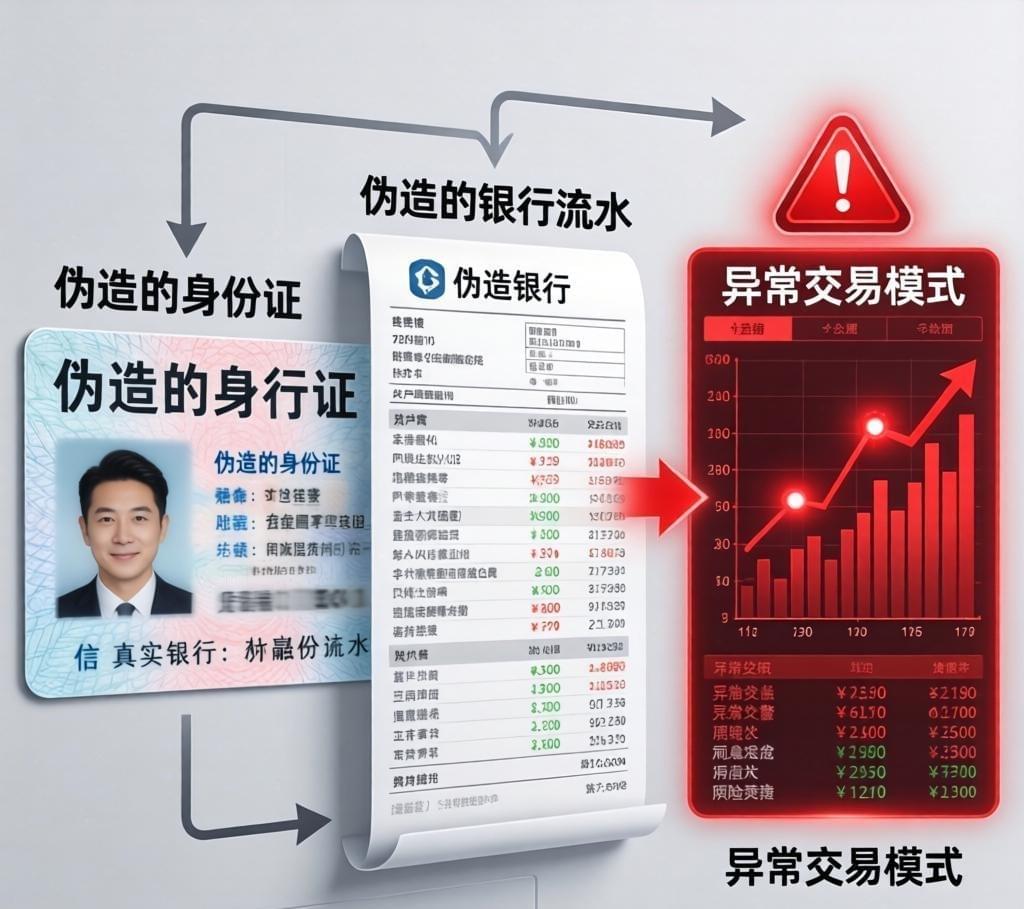
Further in-depth investigation revealed more intricate forgery techniques: the PDF file of the bank statement provided by the customer was significantly larger than normal standards. Typically, a PDF file of Agricultural Bank's online banking transaction flow for an A4 size should not exceed 100KB, yet the file submitted by the customer reached several MB. Technical analysis showed that the forger had altered the original transaction details using image editing software and inserted the modified images into the PDF file, causing the file attributes to change from “text” to “image” layers, which led to the abnormal increase in file size. Additionally, there were subtle color differences in the text color and font of some names and amounts on the forged documents that were nearly imperceptible to the naked eye (the temperature of the altered colors showed slight variations).
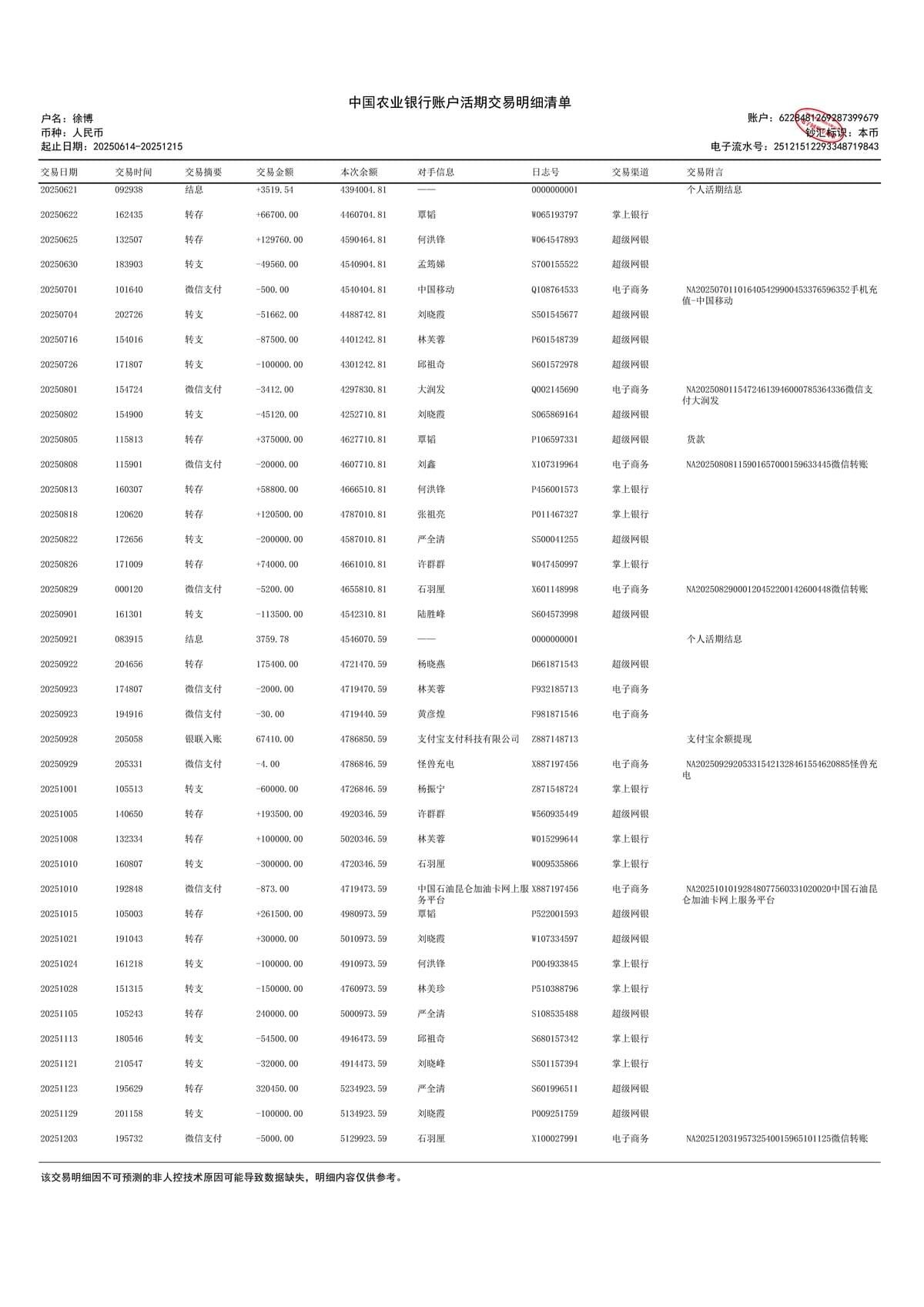
Furthermore, suspicious behavior is also reflected in the trading patterns: the client and their associated group (referred to as the “team”) conducted “stress tests” using multiple accounts before committing fraud. In their personal account transactions, all or the vast majority were full amounts, with almost no traces of actual transactions that included both large and small amounts. This abnormal information closely aligns with the typical money laundering pattern of “disguising as investment immigration background to launder domestic gray funds and transfer them to North America.” This case reminds us that for the trading partners claimed by clients, it is essential to cross-verify using existing databases, and to possess the ability to identify high-end forged documents through technical means (such as document property analysis) and business logic (such as full amount transaction patterns), conducting rigorous audits on the authenticity of transaction data and not merely relying on formal compliance.
